Drunk Driving Accident Victims: Legal Rights and Maximum Compensation
Victims of drunk driving accidents occupy a uniquely strong legal position, with potential access to punitive damages and multiple sources of liability beyond the driver. This guide explains every avenue of compensation available to you.
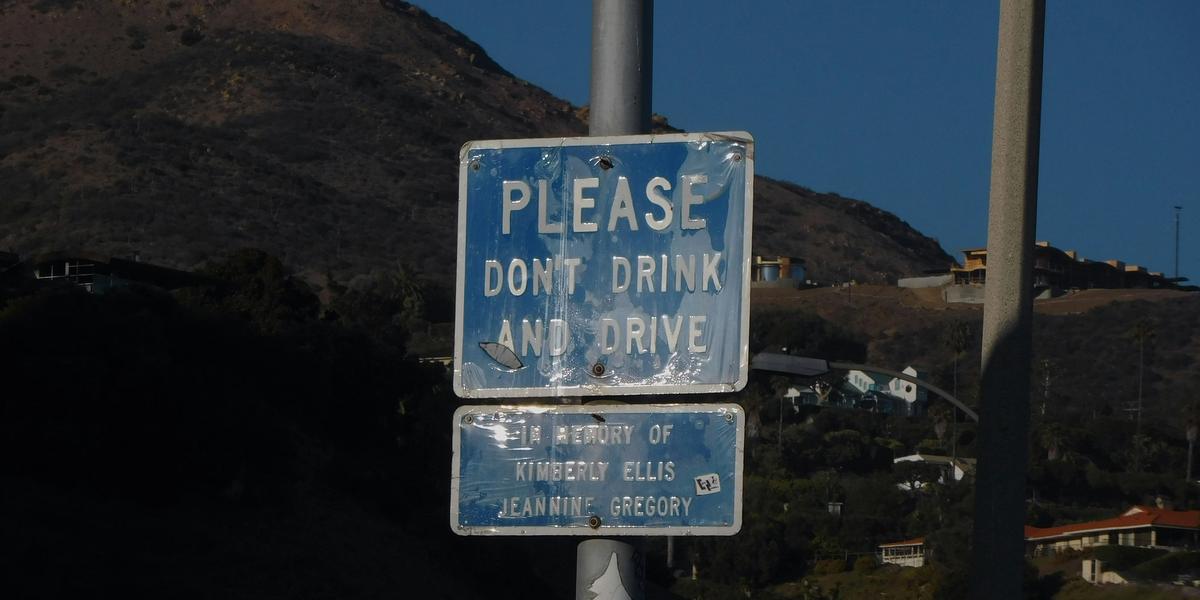
When someone chooses to drive drunk and that choice injures or kills another person, the law's response is not the same as it is in cases of ordinary negligence. The deliberate decision to operate a vehicle while impaired, with full awareness that impairment is a danger to others, elevates the conduct from negligence to recklessness in most legal frameworks. That elevation opens doors that are closed in standard accident cases.
As a victim of a drunk driver, you are entitled not only to compensation for your actual losses but potentially to punitive damages designed to punish the conduct and deter future similar behavior. You may also have claims against parties beyond the driver: the bar or restaurant that served them alcohol, the friend who provided the alcohol at a party, or the employer whose vehicle they were driving.
This guide maps every avenue of compensation available to drunk driving accident victims and explains how to pursue them most effectively.
Punitive Damages and Why Drunk Driving Cases Are Different
Standard negligence cases compensate victims for their losses. Punitive damages do something different: they punish the wrongdoer and send a message to others. Courts award punitive damages when the defendant's conduct was not merely careless but reckless, malicious, or consciously indifferent to the rights and safety of others. The decision to drive drunk typically meets this threshold.
The standard for punitive damages in drunk driving cases varies by state, but courts have consistently recognized that driving with a blood alcohol content above the legal limit, knowing that impairment affects driving ability, constitutes the kind of deliberate disregard for others' safety that justifies punishment beyond compensation. The higher the BAC, the more obvious the argument becomes.
Punitive damages are not limited by your actual losses. They can and often do exceed them. In cases involving high BAC levels, prior DUI offenses, or deaths and catastrophic injuries, punitive awards in drunk driving cases have reached into the millions of dollars. An attorney who understands this dimension of drunk driving cases knows how to present the evidence that supports it.
| BAC Level | Legal Status | Punitive Damage Argument Strength |
|---|---|---|
| 0.08% | Per se impaired in all states | Moderate, statutory violation established |
| 0.10 to 0.14% | Significantly impaired | Stronger, substantial impairment documented |
| 0.15 to 0.19% | Severely impaired, aggravated DUI in many states | Very strong |
| 0.20% and above | Extreme impairment | Maximum, recklessness essentially undeniable |
| Prior DUI history | Repeat conduct | Strongest, knowing disregard clearly established |
Dram Shop Liability: Suing the Establishment That Served Them
A majority of states have enacted dram shop statutes that impose civil liability on commercial alcohol vendors who serve alcohol to a visibly intoxicated person who subsequently causes injury. If the drunk driver who hit you was served at a bar, restaurant, or liquor store while already showing signs of intoxication, that establishment may be jointly liable for your damages.
Dram shop cases require prompt investigation because the relevant evidence, surveillance footage, server logs, receipts, and witness accounts of the driver's condition at the establishment, can disappear quickly. Your attorney should send preservation letters and begin investigation of the driver's drinking history before the accident immediately after being retained.
Commercial establishments typically carry liquor liability insurance specifically for dram shop claims. Adding a well-documented dram shop defendant to your case adds a commercially insured party whose policy limits may far exceed the individual driver's personal auto insurance. In cases of catastrophic injury or death, this additional source of recovery can be the difference between adequate and insufficient compensation.
Using Criminal Proceedings to Support Your Civil Case
A DUI prosecution runs parallel to but independently from your civil claim. The standards of proof are different: criminal guilt requires proof beyond a reasonable doubt, while civil liability requires only a preponderance of the evidence. A driver who is acquitted criminally can still be found civilly liable. A driver who pleads guilty, as many DUI defendants do, provides you with an admission that is directly relevant and admissible in your civil case.
The blood alcohol content evidence from the criminal case, the police reports, the field sobriety test results, and any criminal court findings are all materials your attorney will obtain and use in building your civil claim. The criminal case generates a forensic record that independent civil investigation cannot fully replicate.
Restitution in criminal proceedings is separate from and not a substitute for your civil recovery. A court-ordered restitution amount in a criminal case typically covers only a fraction of the full economic losses a serious accident victim suffers and does not include pain and suffering or punitive damages at all. Pursue both the criminal restitution process and the civil claim independently.
Final Thoughts
Drunk driving accident victims have both moral and legal clarity on their side. The conduct that caused their harm was not an accident in any meaningful sense; it was a choice, made with awareness of its dangers, that the law treats with corresponding severity.
The multiple avenues of compensation available in these cases, including the driver's liability insurance, dram shop claims, uninsured motorist coverage, and punitive damages, reflect the law's recognition that injuries caused by drunk drivers deserve more than ordinary accident remedies.
Retain an experienced attorney quickly, let the criminal process build the evidentiary record, and pursue every available avenue of recovery. You deserve nothing less.
Frequently Asked Questions

Sarah Mitchell
Legal Affairs Editor
Sarah Mitchell has spent over a decade writing about consumer legal rights, employment law and family law. She specializes in translating complex legal concepts into practical guidance that people can actually use when they need it most.
More Accident Law Guides
What to Do Immediately After a Car Accident: A Step-by-Step Legal Guide
The moments after a collision are chaotic and disorienting, yet they are precisely when the decisions you make carry the most legal weight. This guide walks you through exactly what to do, in order, so you protect your health, your rights, and your ability to recover fair compensation.
How Much Is My Car Accident Settlement Worth?
Settlement values are not random numbers. They are built from specific, calculable factors that insurers and courts apply to every claim. Understanding what drives value gives you the power to evaluate any offer you receive and know whether it is fair.

How to File a Personal Injury Claim: Complete Step-by-Step Guide
Filing a personal injury claim involves a specific sequence of steps that most people have never needed to navigate before. Getting the sequence right is the difference between full compensation and a lowball settlement you regret accepting.
More Legal Guides Guides

Business Contracts: When to Sue for Breach
A broken business contract is a costly problem, but suing is not always the right response. Understanding what constitutes a legally actionable breach, what damages are available, and when litigation makes more sense than alternatives is essential before spending money on a lawsuit you may not need.

Business Dissolution: How to Legally Close Your Company
Closing a business properly is just as legally significant as opening one. Failing to formally dissolve your company can leave you personally exposed to ongoing obligations, penalties, and liabilities long after you thought the business was finished.
Business Fraud: How to Recognize and Respond
Business fraud takes many forms and costs American businesses billions of dollars annually. Recognizing the warning signs, understanding your legal options when fraud occurs, and knowing how to protect your business from the most common schemes gives you tools that most small business owners lack.